The pursuit of weight reduction is incredibly common in modern society, but is it always beneficial? While reducing body mass can undeniably boost health and promote self-esteem, sometimes significant weight reduction can be a warning of underlying issues. Extreme dieting or unhealthy methods of calorie restriction might cause nutrient deficiencies, reduction of muscle, and even disrupt metabolic function. Therefore, it’s essential to deal with weight reduction with carefulness and, ideally, under the guidance of a medical expert who can evaluate personal circumstances and promote a secure and lasting plan.
Unexpected Weight Loss: When to Worry
Unintentional reduction in physical weight, especially when you're not actively to shed pounds, can be a cause for alarm. While the few instances might be due to simple lifestyle changes, it’s important to get medical advice if you experience a significant decline regarding weight without making dietary or exercise alterations. Potential medical ailments, such as digestive disorders, can often manifest as unintended weight reduction. It’s always err on the side of prevention and consult your doctor for a thorough evaluation, particularly if this body mass change is paired with other symptoms like fatigue, high temperature, or persistent gastrointestinal problems.
Periodic Abstinence for Body Management: Advantages & Drawbacks Explained
The popularity of fasting as a approach for weight management continues to increase, fueled by assertions of several health advantages. While studies does demonstrate potential advantages, such as better glucose response and likely tissue renewal, it's crucial to consider both the positive and adverse aspects. In essence, fasting requires cycling between phases of regular eating and planned restriction from sustenance. However, this practice isn't right for each person; particular individuals, such as people who are carrying, lactating, or have pre-existing medical ailments, should speak with a physician specialist before embarking on a abstinence plan. Furthermore, likely drawbacks may involve nutritional deficiencies, body loss, and fluid loss if not approached correctly. Therefore, thorough exploration and professional advice are paramount before using any form of periodic abstinence for body reduction.
Reducing Weight & Cancer: What Does It Really Mean?
The relationship between thinning and cancer is intricate and often confusing. While losing weight can be beneficial for overall fitness, particularly if above a healthy weight, it's important to understand the nuances. For some individuals, unintentional size reduction can be a sign of cancer, signaling that something is wrong within the body. However, many other factors can also lead to unexplained weight decline, like stress, digestive problems, or other illnesses. Conversely, actively trying j lo weight loss to slim down through diet and exercise can boost cancer prognosis and overall living standards, especially in those who are have a diagnosis cancer. Therefore, it's key to have an honest talk with your doctor to evaluate the reason behind any significant weight variations and to create a tailored approach.
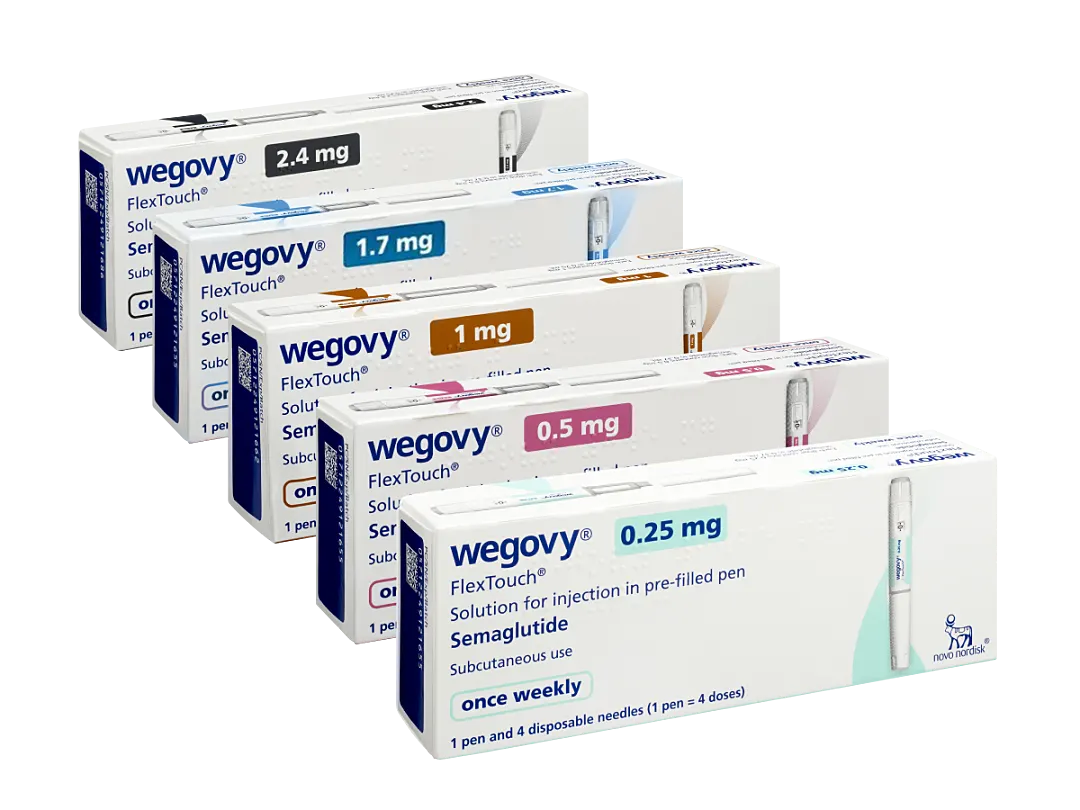
Does Fast Size Reduction Always a Good Objective?
While many desire for quick body decrease is understandable, it's vital to think about whether that consistently a safe goal. Rapidly restrictive diets and intensive exercise plans often lead to early progress, but they may also trigger negative health effects. Such may include nutrient lacking, body damage, chemical fluctuations, and even more health problems. The manageable approach to reducing body usually includes gradual adjustments to eating and lifestyle that support general well-being.
Decoding Body Reduction: Excellent Conditioning or a Latent Concern?
Unexplained weight loss can be a surprisingly complex marker of overall conditioning. While many people pursue weight loss through diet and exercise, a significant and unplanned decrease in body weight can sometimes signal a more serious fundamental well-being issue. It's crucial to evaluate this beyond the simple desire for a slimmer silhouette; rapid loss could be connected to anything from malabsorption and thyroid problems to, in more rare situations, even cancer. Therefore, seeing a physician is essential to confirm the reason and guarantee a thorough evaluation before assuming it's merely a favorable outcome of dietary changes.